Maxime Henry

Data Scientist based in France. Notes and projects on data science, engineering and code.

Python · Streamlit

Heat index calculator

May has arrived, and with it, the early scorching heat of summer. As I wipe the sweat from my forehead, I wondered why some people can tolerate high temperatures better than others. After speaking with a colleague from Morocco, he told me that for him 31°C is also too hot, but in Marocco when it's 40 or 50°C it's perfectly bearable, I wondered why.. I learned that the key to their heat tolerance lies in the relative humidity of the air. When it's hot, our bodies cool down through sweating. However, for sweat to evaporate and provide cooling, the air must be dry enough to allow it. Higher humidity reduces the evaporation of sweat, making it difficult for our metabolism to cool down, and thus increasing the apparent temperature.. The apparent temperature is therefore higher when the humidity is higher. I built a small web app to calculate this apparent temperature, also known as the heat index.

Arduino · IoT

Arduino and eggs

I lived on a farm, surrounded by fresh air, green fields, and of course, our hens. They never quite mastered the art of hatching eggs, so I built my own egg incubator. With a bit of code, it can nurture eggs into healthy chicks — in under 20 lines.

R Shiny · MongoDB

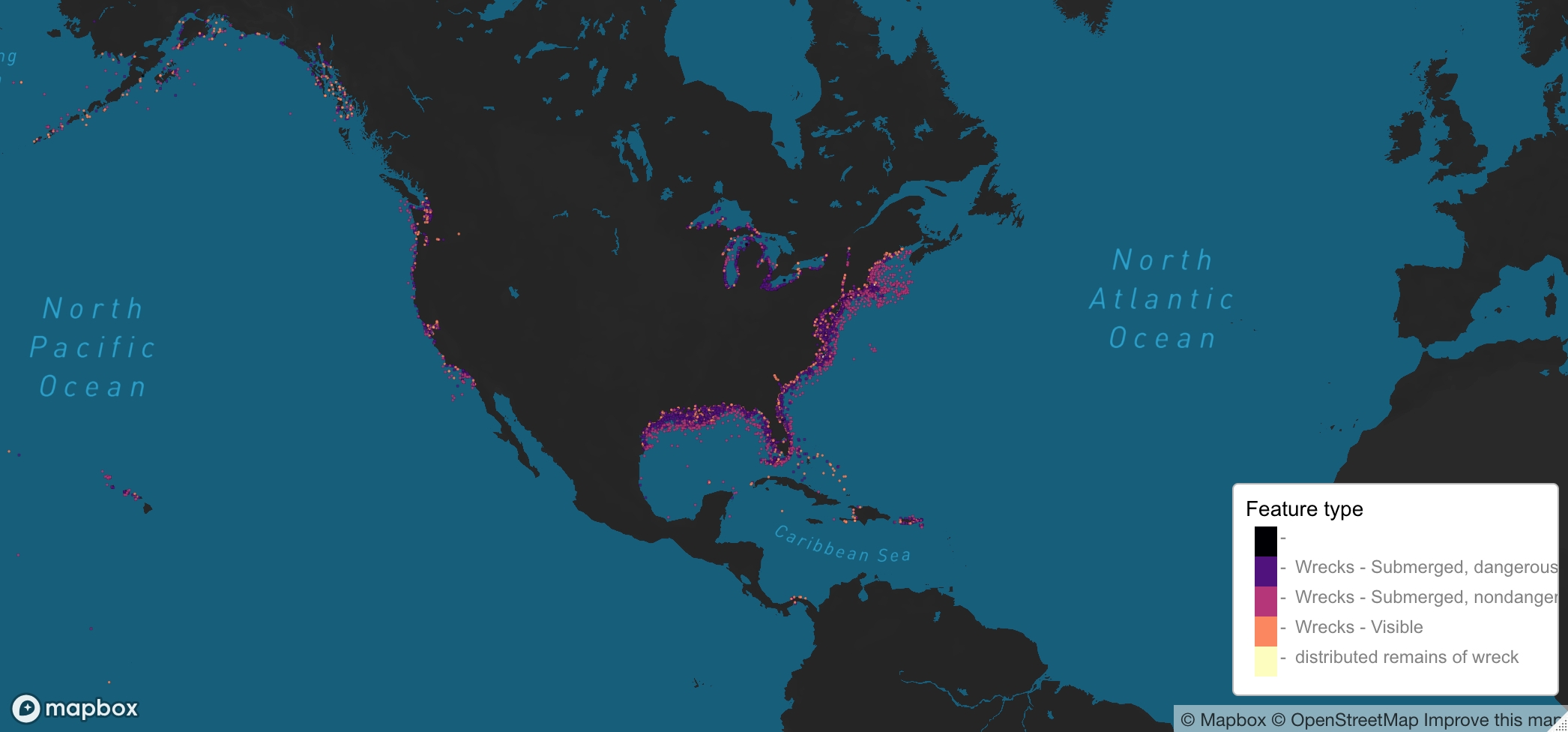
Mapdeck and MongoDB

The main idea of this project is to connect a Shiny application to a persistent data store. I wanted to plot a map, and found an open database containing thousands of sunken ships — far more than the Leaflet package can handle, so I used another package: mapdeck.

Python · Geocoding

Automating coordinates

A list of addresses is not much use on its own. To build a map or fetch weather information, you need coordinates. A few Python packages make geocoding straightforward.

Coming soon

In the works

  • Solving the Wikipedia game
  • AWS serverless
  • GAN modeling